Chicka Chicka Boom Boom
About This Book
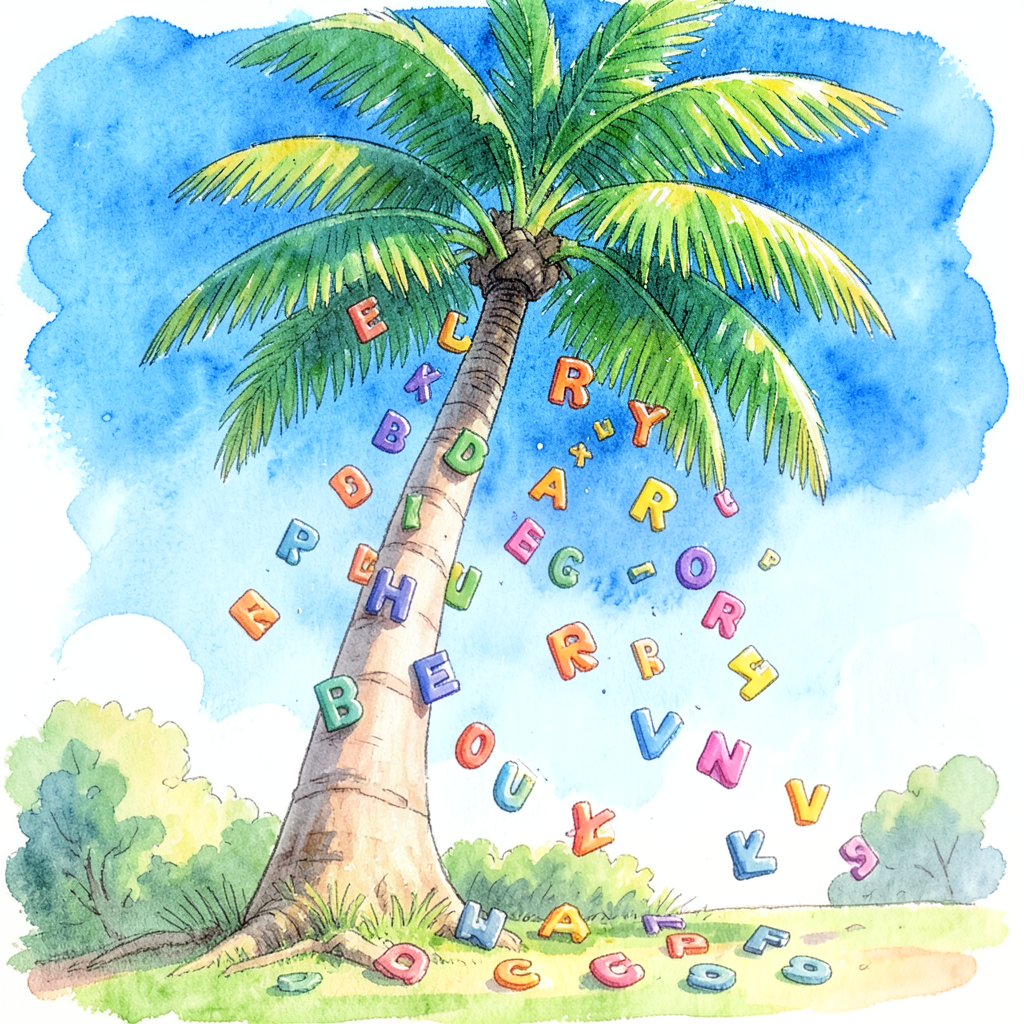
The lowercase letters of the alphabet race each other up a coconut tree in this rhythmic, bouncing alphabet chant. When the tree can't hold them all, they tumble down in a jumble, and their uppercase parents come to help pick them up.
Themes
AlphabetRhythmLearning
Best For
- Toddlers who love music and rhythm and respond better to song-like reading than quiet storytelling
- Early preschool classrooms introducing the alphabet for the first time, especially as a group read-aloud or circle-time chant
- Children who already know some letters and are ready to see all 26 together in sequence with visual reinforcement
- Bedtime reading when you want something energetic but short — the chant winds down naturally and the ending is calm and reassuring
- Families with very young children (even infants) who benefit from hearing rhythmic language and seeing bold, high-contrast imagery
Why Parents Love This Book
Chicka Chicka Boom Boom has earned its place as one of the most beloved alphabet books ever written, and the reason is simple: it never feels like a lesson. Bill Martin Jr. and John Archambault built the entire story around a driving, infectious chant — "A told B, and B told C, I'll meet you at the top of the coconut tree!" — that children memorize almost without trying. The lowercase letters feel like mischievous little characters with real personalities, racing up that tree with gleeful overconfidence, only to come tumbling down in a glorious pile. Lois Ehlert's bold, graphic illustrations in saturated tropical colors make every page feel like a party. The uppercase letters arriving to tend to their fallen lowercase children adds a warm family layer that small children immediately understand. Published in 1989, it has sold tens of millions of copies and introduced generations of children to the alphabet through pure joy rather than rote repetition. It is the rare book that works as a singalong, a read-aloud, and a quiet one-on-one lap book all at once.
Reading Tips for Parents
Read this one out loud with full rhythm and energy — the chant is meant to bounce, so lean into it. Slow down when the letters tumble out of the tree and point to each letter as you name it; this is a natural moment to pause and let your child find familiar letters. After a few readings, pause before the repeated refrain "chicka chicka boom boom" and let your child finish it. Most toddlers pick this up within two or three read-throughs. Keep a finger moving under the text when you read so children begin connecting the spoken sounds to the letters on the page. Once your child knows the book well, try asking "Which letter comes next?" as you point to each one climbing the tree. The book pairs naturally with alphabet puzzles or letter magnets — pull those out after reading for hands-on follow-up.
Awards & Recognition
- New York Times Bestseller — has appeared on bestseller lists and remained a perennial top-selling children's book since its 1989 publication
- Caldecott Honor — Lois Ehlert's illustrations were recognized by the American Library Association (note: the book received widespread award recognition; verify specific Caldecott Honor year with ALA records)
- SLJ Best Books selection and included on numerous "best alphabet books" lists by librarians and educators nationwide
Educational Value
This book helps children develop skills across multiple areas:
- Alphabet recognition: Children encounter all 26 lowercase letters presented individually and in sequence, with Lois Ehlert's high-contrast illustrations making each letter visually distinct and memorable.
- Phonological awareness: The bouncing, rhyming chant builds an ear for rhythm and repetition, which are foundational skills for learning to read and decode words.
- Letter concepts: The book naturally introduces the idea that letters have two forms — lowercase (the playful racing letters) and uppercase (the parental letters who come to help) — without any explicit instruction.
- Vocabulary: Words like "coconut tree," "skinned," and "boo-boo" expand everyday language in a context children find funny and relatable.
- Sequencing: Following the letters in order as they climb the tree reinforces the sequence of the alphabet in a narrative, story-driven way that is easier to retain than rote recitation.
- Social-emotional learning: The story's resolution — that someone comes to help when you fall — models comfort-seeking and care in a gentle, age-appropriate way.
Discussion Questions
Use these questions to spark conversation before, during, or after reading:
- Why do you think the letters wanted to race up the coconut tree? What were they trying to do?
- What happened when too many letters climbed the tree? Have you ever seen something get too full or too heavy?
- Can you find the letter that starts your name in the pictures? What does it look like?
- The big uppercase letters came to help the little lowercase letters when they fell. Who helps you when you get hurt or need something?
- If you could climb a coconut tree with the letters, which letter would you want to be, and why?
Content Notes for Parents
There are no scary, sad, or mature elements in this book. The letters take a tumble and get minor bumps and scrapes (a skinned knee, a loose tooth), which are described playfully rather than distressingly, and all is well by the end.
Frequently Asked Questions
What age is Chicka Chicka Boom Boom best for?
The book is listed for ages 0-3 and works beautifully as a lap book for babies who respond to rhythm and bold color. However, it remains highly engaging for preschoolers ages 3-5 who are actively learning the alphabet. Many kindergarten teachers use it at the start of the school year as well, so do not feel it is too babyish for a 4- or 5-year-old.
Will my child actually learn the alphabet from this book, or is it just fun?
Both, genuinely. Research on early literacy supports that children learn letter names more effectively when they encounter them in rhythmic, story-driven contexts rather than through drill. After repeated readings, most toddlers and preschoolers can recognize individual letters and recite the alphabet chant unprompted. Pair it with alphabet puzzles or pointing to letters in your environment to reinforce what the book introduces.
Is there anything scary or upsetting in the book?
No. The letters tumble out of the tree and get minor bumps — a skinned knee, a loose tooth — but these are treated playfully and are immediately resolved. Children typically find the tumble funny rather than distressing. The ending is warm and reassuring, with the uppercase letters caring for the lowercase ones.
My child wants me to read this every single night. Is that normal, and should I be worried about repetition?
Completely normal, and actually a very good sign. Children request repetition because it gives them a sense of mastery and comfort — each re-reading deepens their letter recognition and their ability to anticipate and join in the chant. Embrace the repetition. You can keep it fresh by occasionally letting your child lead the chant or point to the letters themselves.
What are some books to read after Chicka Chicka Boom Boom if my child loves it?
Children who love this book typically enjoy other rhythm-driven picture books. Try LMNO Peas by Keith Baker for another playful alphabet concept, Dr. Seuss's ABC for letter-sound connections, and Alphabet Under Construction by Denise Fleming. For the same bold graphic illustration style, explore other books illustrated by Lois Ehlert such as Planting a Rainbow or Eating the Alphabet.